AIFM’s Valuation Framework
This project aims to strengthen and formalise the AIFM’s valuation framework by introducing a coherent and structured set of tools covering both governance and execution.

This project aims to strengthen and formalise the AIFM’s valuation framework by introducing a coherent and structured set of tools covering both governance and execution.

China’s venture capital ecosystem is undergoing its most significant transformation in years, and a small European nation of 650,000 people has emerged as the critical bridge connecting Chinese GPs with European markets. As geopolitical headwinds reshape global capital flows, Luxembourg is positioning itself as the ideal European platform for Chinese fund managers seeking to diversify beyond the United States.

The market of evergreen Private Equity vehicles continues to expand, meaning it is more important than ever that investors have the right information and transparency to distinguish between offerings, from investing approach to structure and alignment.

The Luxembourg AI Factory has released the AI Assessment Sandbox Configurator, a new open-source tool co-developed by the Luxembourg Institute of Science and Technology (LIST) and the University of Luxembourg’s Interdisciplinary Centre for Security, Reliability and Trust (SnT), that helps organisations efficiently and rapidly configure and deploy AI assessment sandboxes tailored to their specific use cases.

Private markets are poised to be a major growth engine for wealth and asset managers, particularly in Europe, if the industry can scale distribution beyond today’s bespoke, operationally heavy model. Product innovation (e.g., LTAFs, ELTIFs and semi-liquid/evergreen structures) is expanding addressable demand across wealth and retail channels, but the real unlock is industrialising the distribution ecosystem.
In this white paper, ” Scaling Private Markets Distribution in Wealth: Why Industrialized Distribution Rails, Not Product Innovation, Will Determine the Next Phase of Growth”, Clearstream and Oliver Wyman explore what it will take to industrialize private market distribution.

Recently, the LPEA Fund Finance Working Group conducted a dedicated survey among LPEA members to assess the current state of the fund finance market in Luxembourg. With responses from borrowers, GPs and bank lenders, the survey provides a timely snapshot of market practices, product usage and perceptions of liquidity and jurisdictional positioning.

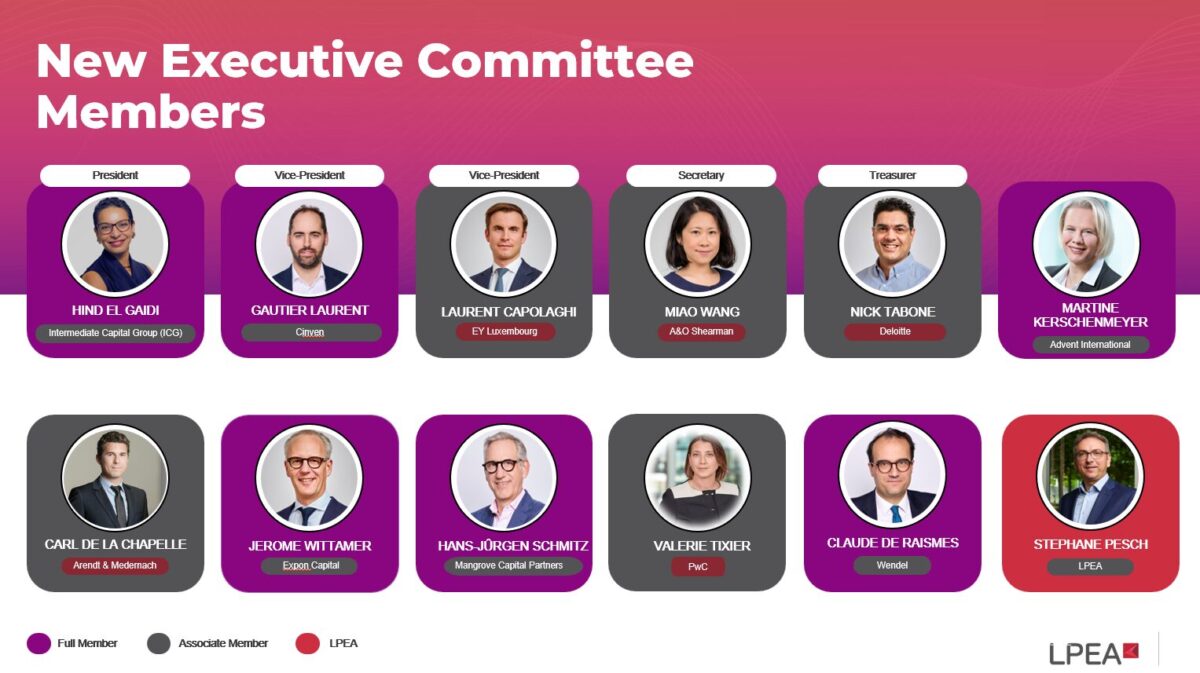
Following its Board meeting on 1 July 2026, the Luxembourg Private Equity & Venture Capital Association (LPEA) is pleased to announce the composition of its Executive Committee (ExCom) for 2026, reflecting the Association’s continued commitment to strong governance and industry leadership.

When the EU Artificial Intelligence Act entered into force in August 2024 with a first batch of obligations as of February 2025, it was hailed as the world’s first comprehensive AI rulebook. However, early experience quickly revealed practical challenges that could slow down its rollout, particularly for high-risk AI systems, those used in areas such as recruitment, credit scoring, or critical infrastructure. Delayed preparation of standards, late establishment of national governance frameworks and heavier-than-expected compliance burdens prompted a legislative response.

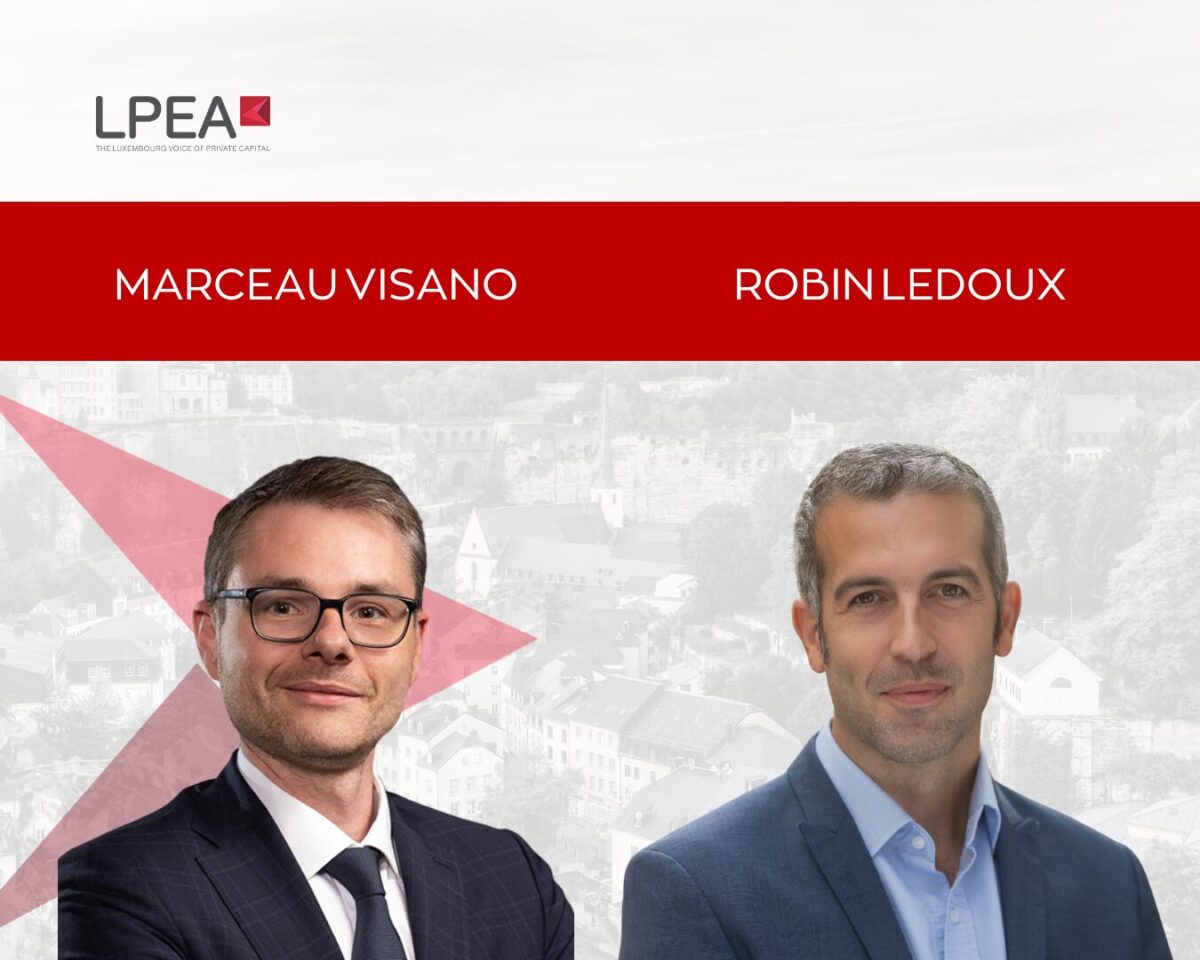
Article by Marceau Visano, DLA Piper & Robin Ledoux, Bridgepoint, on behalf of the Market Practice & Operations Cluster – Digital & Technology
As digital assets move from experimentation to institutional execution, Luxembourg is positioning itself at the forefront of crypto and DeFi fund structuring. New regulatory clarity, combined with the Luxembourg established fund ecosystem, is enabling managers to bridge the gap between traditional finance and decentralized finance—creating fresh opportunities for investors and sponsors alike, while raising new questions around regulation, custody, valuation and operational risk.

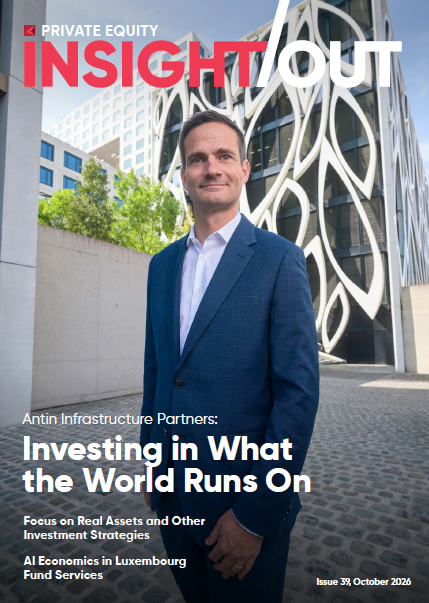
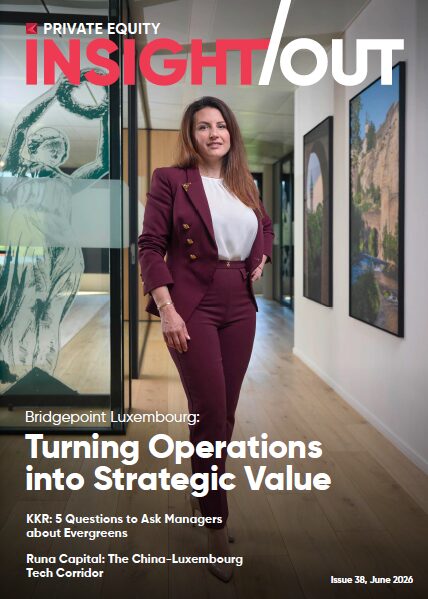
Insight/Out #38 features a cover story with Aurélie Comptour, Head of Luxembourg at Bridgepoint, exploring the growing global strategic role of Luxembourg-based operations, the evolution

LPEA Reports Strong 17.4% Membership Growth at 2026 AGM
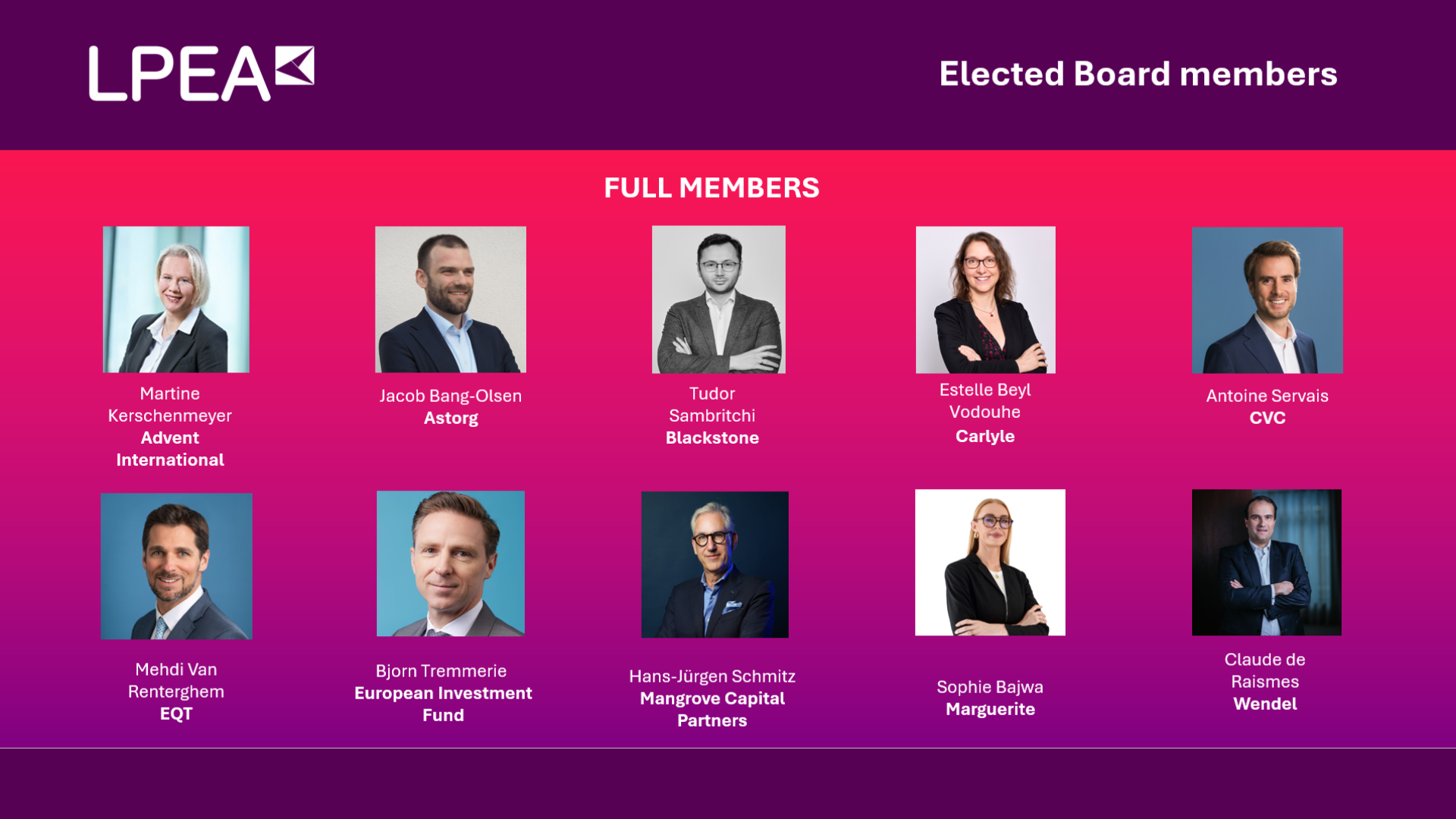
The Luxembourg private capital industry gathered to reflect on the achievements of 2025, gain valuable insights from keynote speaker John Penning (Luxempart), and celebrate the (re)election of ten Board members.

The LPEA published its Annual Report 2025 at the Annual General Meeting (AGM) held on June 17th 2026.

Semi liquid funds are typically evergreen or open-ended alternative funds offering periodic redemption windows, subject to gates and notice periods, while investing predominantly in illiquid private market assets.

Continuation funds have moved from niche structuring tools to mainstream instruments within private markets. What began as opportunistic solutions during periods of exit market dislocation has evolved into a structural component of the liquidity toolkit available to general partners.

he law of 18 May 2026 amending the law of 10 August 1915 on commercial companies, effective on 2 June 2026, has introduced for SARLs the possibility of a deferred payment of the statutory minimum share capital, less than six months after the introduction of the related bill (No. 8669).

Compliance burden: a term widely used since 2018 and still a relevant problem that remains unaddressed
Luxembourg’s financial institutions are navigating one of the most complex regulatory cycles in recent history. DORA, AMLA, CRD VI, MiCA, the EU AI Act and a stream of new CSSF circulars are arriving simultaneously, each with its own implementation timeline and governance obligations.

The LPEA proudly celebrates the winners of the inaugural LPEA PE Tech Awards sponsored by Alter Domus, held during PE Tech Day 2026 at KPMG Luxembourg.
Created to recognise the companies and solutions driving digital transformation across the Private Equity and Venture Capital industry, the awards highlighted the innovation, expertise, and technological excellence shaping the future of private markets in Luxembourg and beyond

In the Alternative closed-ended Funds space, Investor LPs seek clear and distinct communication from their GPs, in terms of their commitments during the life of the funds, that helps drive in turn their liquidity positions.
Cash Distributions, whether classified as income or return of capital, back to the LPs are a key source of LP liquidity as a return on their investments.
However, GPs may reserve the right to recall such distributions, as typically outlined in the PPM or LPA. To that end LPs would be advised of those as Recallable Distributions.

An overview of how Luxembourg is pioneering in fund tokenization for alternative investment funds, supporting broaden access in private markets.

The Luxembourg Private Equity & Venture Capital Association (LPEA) signed last week the Diversity Charter promoted by IMS Luxembourg. This signature represents a natural step in LPEA’s broader ESG commitment and reflects the association’s continued engagement in promoting sustainable and responsible practices across the private equity and venture capital industry.

The LPEA AI Lab: Training Path 2026 for PE/VC professionals is a focused educational program designed to move industry players from talking about AI to actually using it.
This program consists of two modules combining theory, use cases, and hands-on applications tailored specifically for PE/VC professionals.

On 08 May 2026, the LPEA submitted its response to the AMLA Public Consultation on the Draft Regulatory Technical Standards under Article 28(1) of Regulation (EU) 2024/1624 on Customer Due Diligence.

Luxembourg has adopted a modernised, two-track carried interest tax regime effective 1 January 2026, offering competitive and clear tax treatment for performance-related compensation applicable to a broader set of beneficiaries, reinforcing Luxembourg’s appeal for private equity and alternative fund professionals.

Luxembourg has firmly established itself as a leading hub for alternative investments, private equity, and venture capital, attracting top-tier professionals from across Europe and beyond. Its political and regulatory stability, combined with a diverse financial ecosystem, creates a strong foundation for career development and operational growth. Additionally, initiatives that support relocation, family integration, and competitive incentives make Luxembourg an increasingly attractive destination for skilled international talent. In this interview, we explore the factors that drive Luxembourg’s appeal for professionals and investors, and how the ecosystem supports long-term career growth.